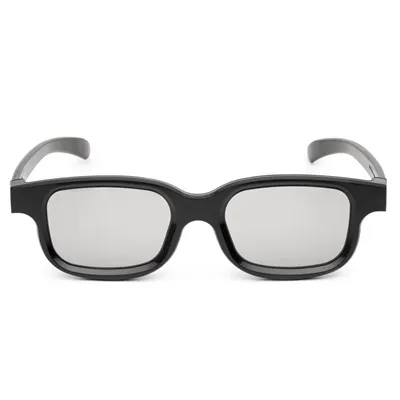


Product Overview & Engineering Architecture
The circular frame shape is a perennial staple in optical retail, but structural execution dictates its commercial viability. Beyond aesthetic proportions, successful round optical frames require precise rim thickness to safely house prescription lenses, stable bridge construction for diverse facial profiles, and durable multi-barrel hinges.
Material Identity: Crafted from premium cellulose acetate (cotton-pulp based), allowing for vibrant solid colors, tortoiseshell gradients, and custom laminated color blocks.
Structural Design: Full-rim construction engineered to maintain frame rigidity and optical alignment under lens-mounting pressure.
Core Wire Integration: Metal core wire embedded inside the temples to allow custom mechanical adjustment by opticians.
Technical Specifications & Dimension Matrix
|
Technical Parameter |
Specification Reference |
|
Frame Type |
Full-Rim Round Optical Eyewear Frame |
|
Primary Material |
Premium Cellulose Acetate (Front and Temples) |
|
Standard Lens Width (A-Size) |
44mm – 52mm (Model Dependent) |
|
Bridge Width (DBL) |
18mm – 22mm (Standardized Facial Fit) |
|
Temple Length |
135mm, 140mm, 145mm |
|
Hinge Mechanism |
5-Barrel / 7-Barrel Optical Metal Hinge |
|
Surface Finish |
High-Gloss Tumbled Finish / Matte Brushed Texture |
|
Demo Lenses |
Fitted with non-prescription demo lenses (Custom configurations available) |
Lens Compatibility & Edging Notes
Full-rim acetate round frames require precise laboratory coordination during prescription lens fitting:
Groove Depth & Bevel: The internal eyewire bevel is precision-milled to securely lock standard bevel-edged single-vision or progressive lenses.
High-Index Accommodation: Moderate to high prescriptions are effectively concealed by selecting thicker rim profiles, which mask lens edge thickness.
Laboratory Verification: Always consult your optical laboratory to verify frame curvature and groove dimensions against specific prescription requirements prior to volume production.
Customization & Private Label Workflow
Projects requiring custom branding and proprietary specifications follow a structured engineering and development path:
Design & Tooling Review: Submit technical drawings (STEP/IGES) or reference physical samples for feasibility assessment.
Material Matching: Select from an extensive library of solid, transparent, or laminated cellulose acetate sheets.
Logo Integration: Define precise execution methods-including laser etching, metal plaque inlay, or foil stamping-along with exact temple placement.
Prototype Development: Sample generation (10–15 days) to verify dimensional accuracy, color fidelity, and mechanical tension before batch production.
Accessory Coordination: Match frames with custom-branded hard cases, microfiber cleaning cloths, and protective pouches.
Quality Control & Inspection Protocols
To eliminate batch-to-batch variation, production inspection adheres to strict manufacturing benchmarks:
Dimensional Verification: Laser caliper measurement of lens width, bridge width, and diagonal symmetry against approved technical drawings.
Surface Inspection: Examination under standardized lighting for surface scratches, polishing bubbles, lamination gaps, and color consistency.
Mechanical Testing: Manual verification of temple opening/closing tension, screw tightness, and hinge alignment.
Tolerances: Critical dimensions maintained within strict manufacturing thresholds.
FAQ
Hot Tags: acetate round optical frames, China acetate round optical frames manufacturers, suppliers, factory