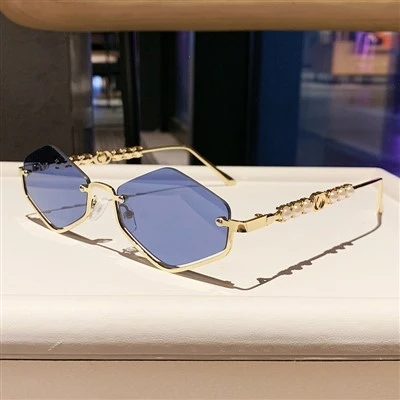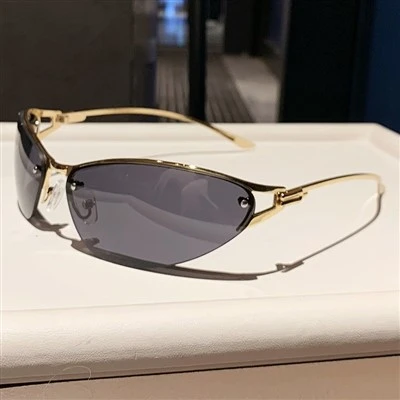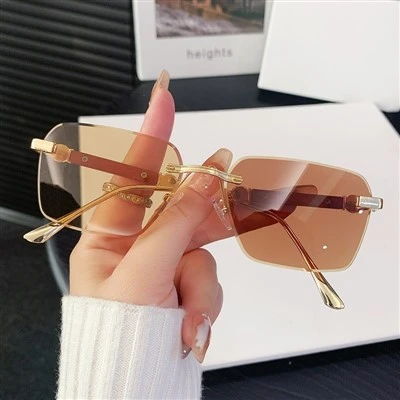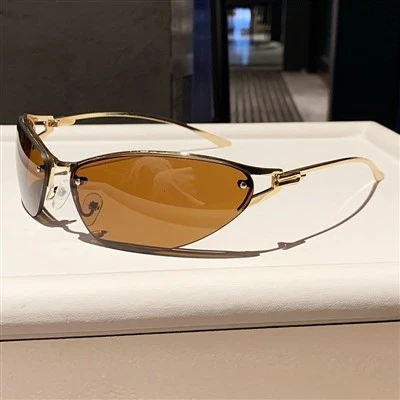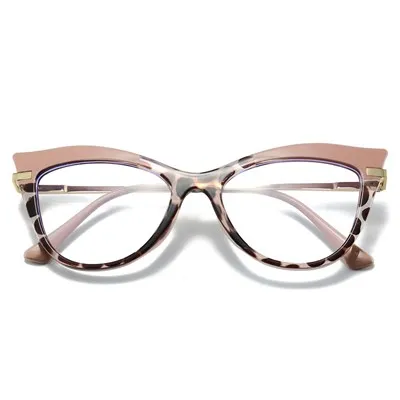


Rimless metal sunglasses feature a clean, minimal profile where the lenses serve as the primary visual element, supported by lightweight metal bridges, temple mountings, and nose-pad structures. Evaluating this style requires a focus on lens mounting construction, edge finishing, and mechanical stability rather than appearance alone.
Review the architectural features, precision requirements, technical specifications, and evaluation criteria below to assess product suitability for target markets and collection requirements.
Technical Specifications
|
Specification Parameter |
Details & Options |
|
Product Category |
Rimless Metal Sunglasses |
|
Frame Construction |
Rimless profile; lens mounting mechanism varies by model configuration |
|
Metal Components |
Alloy / Stainless Steel options; plating finish subject to model specification |
|
Lens Material |
Polycarbonate, TAC, or Nylon options available per project requirement |
|
Lens Profiles |
Rectangular, oval, geometric, custom silhouettes |
|
UV Protection |
UV400 protection standard; test documentation available upon request |
|
Polarization |
Optional (subject to lens selection and model compatibility) |
|
Hinges & Temples |
Standard or spring hinges; temple length and design model-dependent |
|
Logo & Surface Marking |
Laser engraving, screen printing, or metal badge (on temples/lenses) |
|
Packaging |
Standard protective packing, custom cases, and cleaning cloths |
|
Sample Availability |
Available upon project review and model confirmation |
Architectural Features & Construction Options
Minimalist Rimless Architecture: Without a conventional full-rim frame, structural integrity relies entirely on precision lens drilling, mounting hardware, and fastening points. Lens thickness, bevel finishing, and edge polish are critical factors for mechanical security and visual cleanliness.
Metal Component & Finish Options: Bridges, temples, and hinge connectors are crafted from selected metal alloys. Available surface treatments include plating colors (such as gold, gunmetal, silver, or rose gold) and specialized coatings verified for adhesion and corrosion resistance.
Diverse Lens Silhouettes: Available in multiple geometric profiles, including rectangular, oval, multi-sided, and aviator-inspired cuts. Custom lens shapes can be engineered based on technical drawings or physical reference samples.
Optics & Performance Compliance: Lenses can be specified to meet target market requirements. Protection levels, tints, and optional polarization must be aligned with applicable standards and backed by relevant testing documentation.
Edge Finishing & Drilling Precision
The absence of a surrounding frame places high demands on lens edge processing and mechanical alignment. Manufacturing precision involves several critical control points:
Edge Beveling & Polishing: Lenses are precision-cut and polished along the edges to prevent chipping, reduce visible stress marks, and maintain a clean profile.
Drill-Hole Tolerance: Mounting holes are drilled with strict positional and dimensional tolerances to ensure stable fastening and prevent micro-fractures under tension.
Hardware Alignment: Bridge and temple mounting screws or bushings are engineered to distribute mechanical stress evenly across both left and right lenses.
Material & Surface Treatment Compliance
Nickel Release Standards: Metal components can be specified to comply with relevant nickel release thresholds (such as EN 1811 requirements) to ensure suitability for consumer markets.
Plating Adhesion & Corrosion Resistance: Surface treatments undergo standardized checks to evaluate resistance against sweat corrosion, oxidation, and friction peeling during daily wear.
Hypoallergenic Material Selection: Base metal options can be reviewed based on target regulatory frameworks and end-user skin sensitivity requirements.
Batch Consistency & Quality Control Checkpoints
Incoming Raw Material Audit: Verification of alloy composition, optical sheet clarity, and component dimensions prior to production initiation.
In-Process Monitoring: Systematic checks during lens edge drilling, screw torque application, and hinge alignment to prevent structural variance across production runs.
Finished Product Final Inspection: Randomized sampling based on established acceptable quality limits (AQL) covering visual appearance, symmetry, lens retention, and accessory inclusion.
Retained Master Samples: Approved physical reference samples are archived securely to govern color, finish, and dimensional tolerance standards for repeat orders.
Frequently Asked Questions
Hot Tags: rimless metal sunglasses, China rimless metal sunglasses manufacturers, suppliers, factory