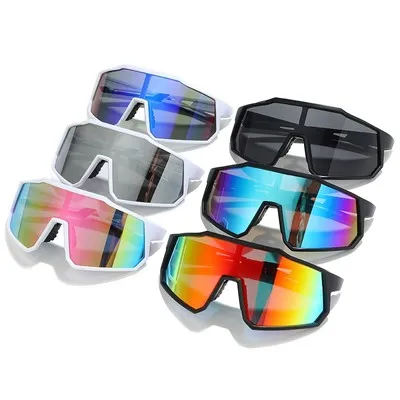

3D technology has transformed the entertainment industry, especially in theme parks. The immersive experience it offers can transport riders to fantastical worlds and make the rides more thrilling. One common question that often arises is whether 3D glasses are required for 3D theme park rides. In this blog post, I, as a provider of high - quality 3D glasses, will delve into this topic and provide you with a comprehensive answer.
How 3D Technology in Theme Park Rides Works
To understand the necessity of 3D glasses, we first need to know how 3D technology in theme park rides functions. The basic principle is to create a sense of depth by presenting two slightly different images to each eye. Our brains then combine these two images to perceive a three - dimensional scene.
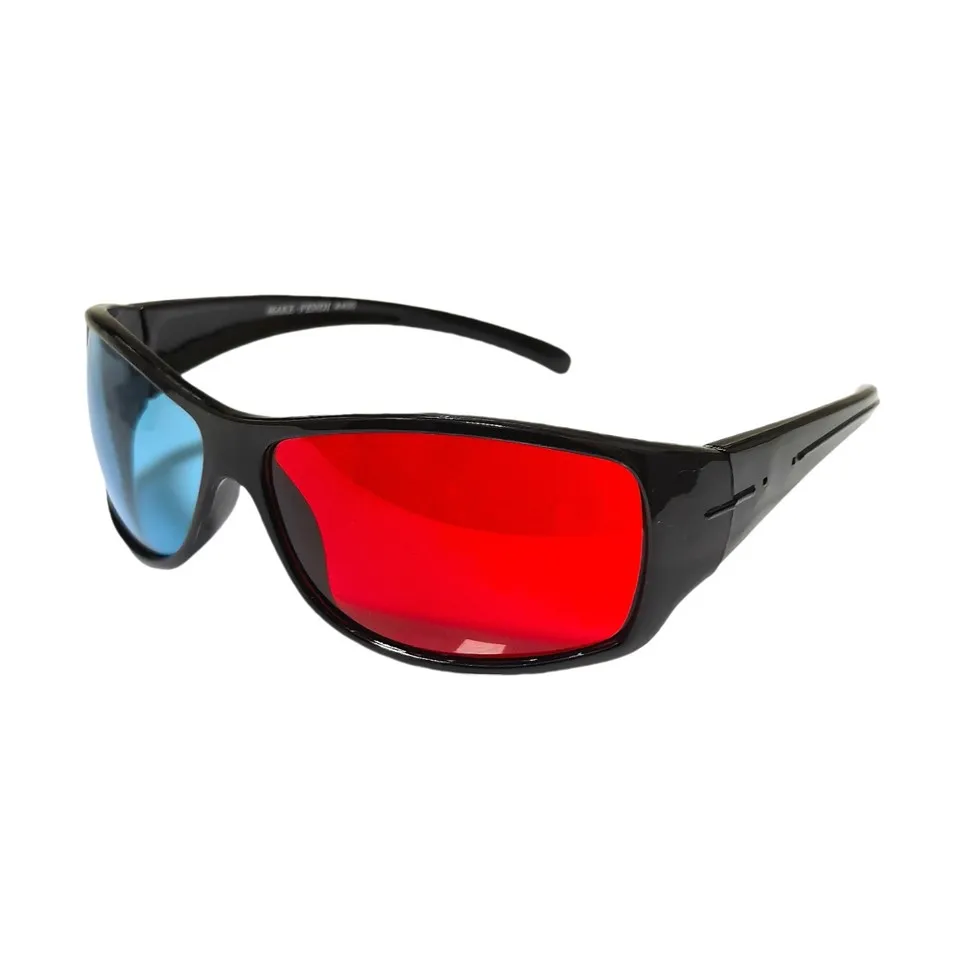
There are mainly two types of 3D technologies used in theme park rides: passive and active. Passive 3D systems use polarized or anaglyph glasses to separate the left and right images. Polarized glasses have lenses that filter light in different orientations, while anaglyph glasses use red and blue (or other color combinations) lenses to distinguish between the two images. Active 3D systems, on the other hand, employ electronic glasses that alternately block the left and right eyes in sync with the display of the corresponding images on the screen.
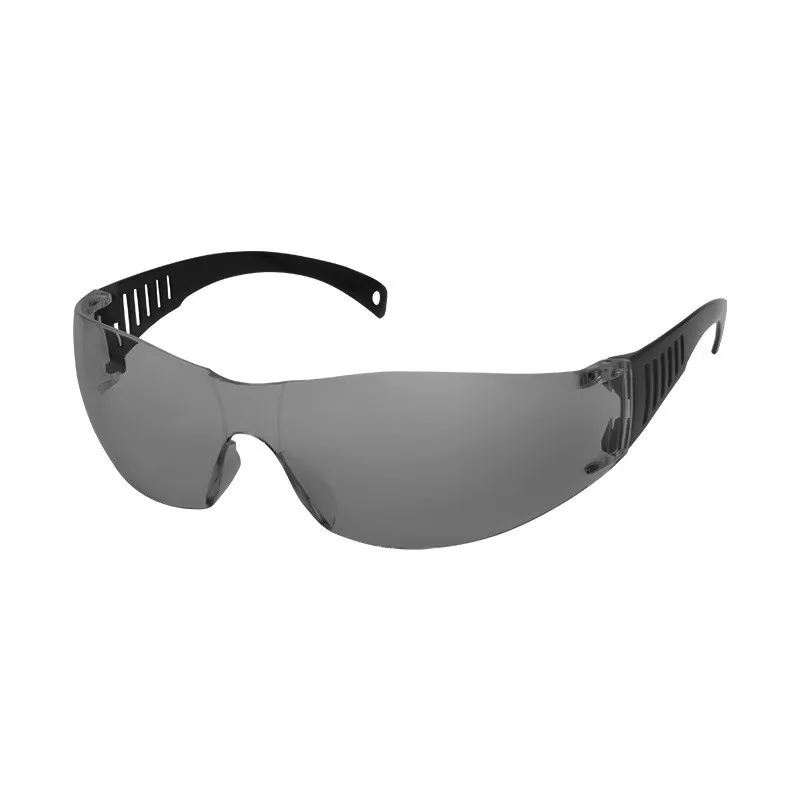
When 3D Glasses Are Required
For most 3D theme park rides, 3D glasses are indeed required. Here are the reasons:
- Enhanced immersion: The purpose of using 3D technology in theme park rides is to provide an immersive experience. Without the 3D glasses, riders will only see a blurry or flat image on the screen, losing the sense of depth and spatial orientation that the 3D effect is designed to create. For example, in a 3D roller - coaster simulator ride where riders are supposed to feel like they are flying through a virtual landscape with mountains, valleys, and other obstacles in the distance, the 3D glasses are crucial for making these elements appear real and having a true sense of distance.
- Proper image perception: As mentioned earlier, the 3D system presents two different images to each eye. When riders wear the appropriate 3D glasses, the glasses ensure that each eye sees only the intended image. Without the 3D glasses, the two images will overlap, resulting in a confusing and unreadable visual experience.
Types of 3D Glasses for Theme Park Rides
There are several types of 3D glasses that can be used for theme park rides, and here are some of the popular ones:
- Anaglyph Glasses: These are the most basic type of 3D glasses. They are usually made with red and blue (or red and cyan) lenses. Anaglyph glasses are inexpensive to produce and are often used in low - cost 3D experiences. You can find our 3D Viewing Glasses Red Blue which are perfect for theme park rides using anaglyph 3D technology.
- Polarized Glasses: Polarized 3D glasses are commonly used in modern cinema and some high - end theme park rides. They offer a better - quality 3D experience compared to anaglyph glasses. Our Paper Frame 3D Glasses use polarized technology and are lightweight and comfortable for riders to wear during the rides.
When 3D Glasses Might Not Be Required
In some rare cases, 3D theme park rides may not require 3D glasses. Some cutting - edge autostereoscopic displays are being developed. These displays use lenticular lenses or parallax barriers to present different images to each eye without the need for additional glasses. However, this technology is still relatively new and not widely adopted in theme parks due to high costs and technical limitations such as a narrow viewing angle.
The Importance of Quality 3D Glasses
As a 3D glasses provider, I want to emphasize the importance of using high - quality 3D glasses for 3D theme park rides.
- Comfort: Riders often wear 3D glasses for an extended period during the ride. Uncomfortable glasses can distract from the experience and may even cause headaches or discomfort. Our glasses are designed with ergonomics in mind, ensuring a comfortable fit for all riders.
- Optical clarity: Poor - quality glasses can distort the image or reduce the clarity of the 3D effect. Our 3D glasses are made with high - grade optical materials, providing sharp and clear images for an optimal experience.
- Durability: Theme park rides can be quite energetic, and there is a risk of glasses being damaged. Our glasses are built to be durable, able to withstand the movement and potential impacts during the rides.
Other Applications of Our 3D Glasses
Our 3D glasses are not only suitable for theme park rides. They also have other applications:
- Solar viewing: Our Sun Viewing Glasses are designed to protect your eyes when viewing the sun, such as during a solar eclipse. These glasses have special filters to block harmful solar radiation.
- Diffraction effects: The Diffraction Lens Glasses can create unique and beautiful diffraction effects, which are often used in stage performances, raves, or other entertainment events for a more visually appealing experience.
- Solar eclipse viewing: The Paper Solar Eclipse Glasses are a cost - effective and safe option for viewing solar eclipses. They are lightweight and easy to carry around.
Contact Us for 3D Glasses Purchase
If you are a theme park operator or are involved in the entertainment industry, and you are looking for high - quality 3D glasses for your 3D rides, we are here to serve you. Our glasses come in various types and qualities to meet your specific needs. Whether it's for anaglyph, polarized, or other 3D systems, we have the right glasses for you.
Feel free to reach out to us to discuss your requirements. We can provide samples for you to test the quality and performance of our glasses. With our years of experience in the 3D glasses industry, we can ensure that you get the best products at a competitive price. Let's work together to enhance the 3D experience of your theme park rides.
References
- Blundell, H., & Jago, R. (2009). The 3D User Experience. John Wiley & Sons.
- Salum, R., & Oliveira, G. (2017). 3D Visualization in Entertainment: Technologies and Applications. Springer.