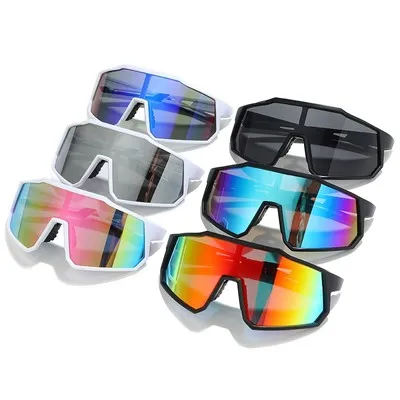

If you’ve ever stood in front of a mirror adjusting your acetate glasses frames only to glare back at a bright, distracting reflection of your phone screen, a lamp, or even the window behind you, you’ve probably wondered: can I add anti-reflective (AR) coating to acetate frames? As a long-time supplier of acetate eyewear frames, I get this question all the time—both from customers shopping for their first pair of glasses, and from opticians testing new add-on finishes for their clinics. It’s a totally fair question, too, because acetate is one of the most popular frame materials for its durability, classic aesthetic, and customization flexibility. But the answer isn’t just a simple “yes” or “no”—it depends on a few key details about how AR coating works, how it’s applied, and whether it pairs well with the unique properties of acetate. Let’s break this down, from what AR coating actually does, to how it interacts with acetate frames, and what you need to know if you’re looking to upgrade your acetate glasses with this finish.
First, let’s clear up what anti-reflective coating is, exactly, because it’s easy to mix it up with other lens or frame finishes. AR coating is a micro-thin, multi-layered film applied directly to the surface of eyeglass lenses, not the frames themselves. Wait, that’s a critical point to note early: AR coating goes on your lenses, not the frames. But that doesn’t mean acetate frames are irrelevant here—because the frame material, size, shape, and even the finish on the front of the acetate, will affect how the AR-coated lenses look and perform once they’re mounted.
Traditional AR coatings work by reducing the amount of light that bounces off the front and back of your lenses. Without it, light reflects off the lens surfaces, creating that annoying glare that makes it hard to work on a computer, drive at night, or see clearly under bright sunlight. It can also cause “halos” around streetlights at night, which is a big safety issue for anyone who drives regularly. For lenses made of plastic (the most common material for prescription and non-prescription glasses), polycarbonate, or high-index plastic, AR coating is standard. But acetate frames are made from a cellulose-based plastic, different from the lens plastics most people are used to. Does that change anything? Let’s get into that.
Acetate frames are crafted from cellulose acetate, a thermoplastic material that’s solid and rigid when molded, but can be heated and shaped into all kinds of styles—from thick, retro cat-eyes to slim, modern rectangular frames. As an acetate eyewear frame supplier, we often work with customers who want to pair their acetate frames with AR-coated lenses, and there’s no rule against that. In fact, it’s one of the most popular combinations we see. The confusion usually comes from people thinking the coating is applied to the frame, not the lens. Once your lenses are fitted to your acetate frames, the AR coating on the lenses will do all the glare-reducing work, and the acetate frame’s finish will only affect the overall look and feel.
Wait, but can you get AR coating on the frame itself? That’s a different question, and the answer is almost always no. Frame finishes are things like glossy, matte, or translucent acetate, maybe with a thin metal inlay or a hand-polished edge. AR coating is a layered, light-transmitting film designed for curved, transparent lens surfaces, not for solid, opaque or semi-transparent acetate. Applying AR to a frame would be a waste of time, anyway—since light doesn’t pass through the frame, there’s no need to reduce glare on it. The only glare you care about is on the lenses, which is exactly where AR goes. That’s why every major lens manufacturer offers AR coatings that are compatible with all frame materials, including acetate.

So, if you’re shopping for a new pair of acetate glasses, how do you make sure the AR coating works well with your frames? There are a few things to keep in mind, based on our experience as an acetate eyewear frame supplier. First, size matters. Larger lenses mean more surface area for AR coating to work on, which is a big win for reducing glare. But some acetate frames, especially oversized styles, have lenses that wrap around the sides of your face. Wrap-around lenses can sometimes cause more distorted light, but high-quality AR coating can actually reduce that distortion more than standard anti-glare treatments. Just make sure your optician uses a full-wrap AR option designed for curved lens surfaces—regular flat AR coatings won’t adhere as well to curved lenses, and they might create uneven glare along the edges of the lenses that peek out from the sides of your acetate frames.
Another key point: the finish of your acetate frame can affect how AR-coated lenses look. If you have a glossy acetate frame, you might notice a slight reflection from the AR coating on the lens when you look in the mirror. Matte acetate frames, on the other hand, absorb light, so that reflection is much less noticeable. That’s a common preference for people who hate that “glassy” look of lenses. We actually stock a range of acetate frames, from glossy black and tortoiseshell to matte forest green and translucent beige, so customers can pick the finish that pairs best with their AR lenses. If you’re someone who works in a professional setting and hates the shiny lens look, a matte acetate frame paired with AR is a perfect combo—no distracting glare, and a sleek, understated aesthetic.
What about prescription glasses? If you need prescription lenses, is AR coating still compatible with acetate frames? Absolutely. In fact, AR coating is even more useful for prescription lenses, especially higher prescriptions that use thicker or higher-index lens materials. Higher index lenses are thinner, but they can be more prone to reflections, and AR coating helps cut down on that. As long as your optician fits your prescription lenses correctly to your acetate frames, there’s no issue. We recommend working with an optician who has experience fitting lenses to acetate frames, because acetate can be a bit more rigid than other frame materials like metal, so you want to make sure the lenses are cut to the right shape to sit securely without putting too much pressure on the acetate frame’s edges.
Wait, are there any downsides to pairing AR coating with acetate frames? Let’s be honest here—no finish is perfect. One thing to note is that AR coating requires a bit more care to keep it looking good, especially if you have acetate frames. Acetate is naturally prone to scratching if it’s not treated, but AR-coated lenses are also more susceptible to scratches than uncoated lenses, so you’ll want to use a microfiber cloth to clean them, not a paper towel or your shirt (which can have lint or abrasives). Also, some cheaper AR coatings can peel over time, especially if they’re exposed to high heat—so if you get your AR coating through a discount retailer, it might not last as long as a premium, multi-layer AR coating from a major brand. If you’re investing in a pair of acetate glasses (which, let’s be real, are a splurge for a lot of people), it’s worth springing for a high-quality AR coating to make it last.
Another common question we get: can I add AR coating to existing acetate glasses, instead of getting a new pair? That’s trickier. Adding AR coating to lenses after they’ve been cut and mounted to your frames is rarely possible. AR coating is applied in a vacuum chamber at the lens manufacturing stage, after the lenses are shaped but before they’re fitted to frames. Once the lenses are mounted, the curvature and the way they sit in the frame make it almost impossible to apply the coating evenly. If you have old acetate glasses with uncoated lenses, the best option is to get new lenses with AR coating fitted to your existing frames, or to buy a new pair of acetate frames and get AR lenses from the start. That’s one of the reasons we love working with opticians to provide custom-fitted acetate eyewear frames—we can work with them to make sure every pair is built with the right lens and finish combo.
Let’s talk about a common myth here: some people think AR coating will damage acetate frames. That’s not true at all. The coating is only on the lenses, and it doesn’t interact with the acetate frame at all—unless, of course, you scratch the frame while cleaning your lenses. Acetate is durable, but it can scuff if you rub it too hard with a rough cloth, so it’s best to clean your frame with a mild soap and water, separate from your lenses. That said, if you take good care of both your lenses (by using a microfiber cloth) and your acetate frame, your combo will last for years.
So, to circle back to the original question: can you get anti-reflective coating on acetate glasses frames? Technically, no—AR coating is for lenses, not frames. But you absolutely can pair your acetate glasses with AR-coated lenses, and it’s one of the best upgrades you can make to improve the comfort and functionality of your glasses. As an acetate eyewear frame supplier, we’ve seen time and time again how this combo enhances the experience for wearers: fewer headaches from screen glare, safer driving at night, and a cleaner, more polished look that works for any occasion.
Now, if you’re in the market for acetate frames to pair with AR-coated lenses, we’ve got you covered. We specialize in high-quality acetate eyewear frames, in styles ranging from classic aviators to trendy square frames, all customizable to fit your prescription and finish preferences. If you’re an optician, a retailer, or just someone looking to buy a new pair, we’d love to chat about how we can work together to provide the right frames for your needs. Whether you’re looking for wholesale quantities for your clinic or a single pair for yourself, we’re here to help you find the perfect combination of acetate style and functional AR lenses. Ready to learn more? Reach out to our team to discuss your requirements and find the right acetate eyewear frame for you.
References:
- American Optometric Association. (2022). "Anti-Reflective Coatings: What You Need to Know." Retrieved from aoa.org
- Frame Makers Supply. (2023). "Acetate Frames: Properties and Care Guidelines." Retrieved from framemakerssupply.com
- Vision Council. (2021). "Lens Coatings 101: Performance and Compatibility with Frame Materials." Retrieved from visioncouncil.org
- Eyewear Design Quarterly. (2022). "Custom Finishes for Acetate Eyewear: Balancing Aesthetics and Function." Retrieved from eyeweardesignquarterly.com