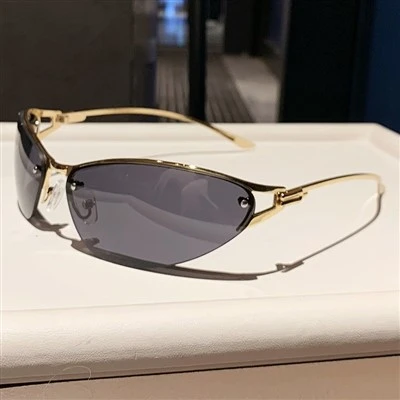

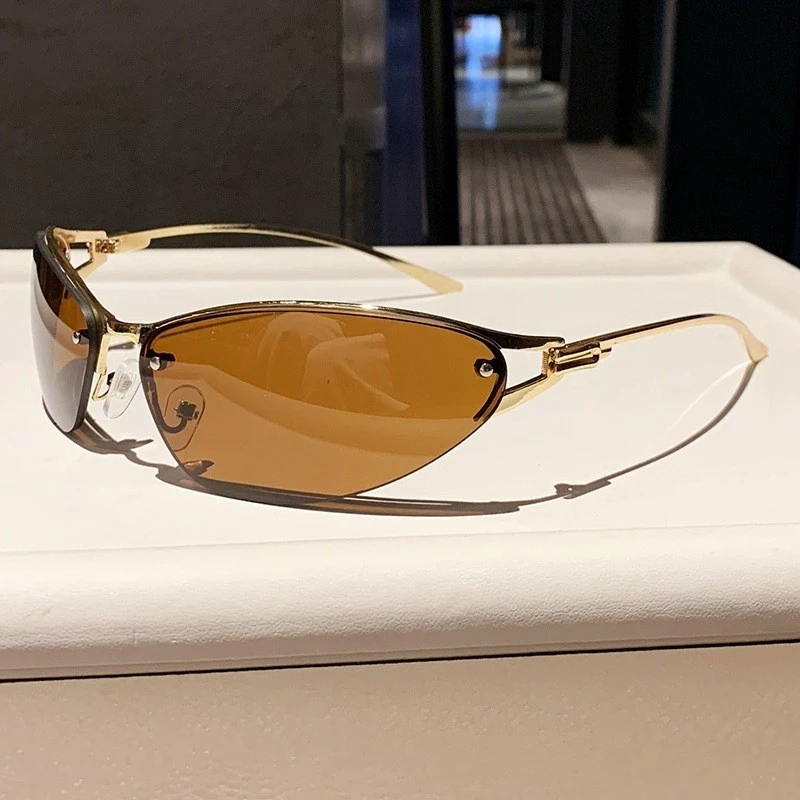
Titanium semi-rimless optical frames suit collections requiring a slim metal aesthetic without the visual weight of a full-rim structure. The open lower lens edge creates a minimalist profile, while the upper frame provides the main structural outline.
Frame architecture is as critical as the material itself. Depending on the model variant, lenses require a precise V-groove or flat-edge preparation combined with a nylon retaining cord. These factors directly affect lens edging, assembly speed, and long-term maintenance. Buyers should verify mounting specifications prior to sample approval.
For wholesale and private-label programs, documentation should clearly outline the exact frame material, dimensional specs, surface finish, hinge type, and component breakdown to streamline incoming quality control (IQC) and repeat production.
Technical Specifications
|
Specification Field |
Technical Details |
|
Product Type |
Semi-rimless optical eyeglass frame |
|
Frame Material |
Grade 2 Pure Titanium (Front eyewire & bridge) / Beta-Titanium (Temples) |
|
Construction |
Semi-rimless upper rim with 0.5 mm nylon retention cord |
|
Lens Compatibility |
Recommended for 1.60 / 1.67 / 1.74 index lenses (V-groove edge profile) |
|
Frame Size |
52-18-145 mm (Standard adult fit) |
|
Lens Width (A) |
52 mm |
|
Lens Height (B) |
34 mm |
|
Bridge Width (DBL) |
18 mm |
|
Temple Length |
145 mm |
|
Total Frame Width |
134 mm (Hinge to hinge) |
|
Frame Weight |
14.2 g (Without demo lenses) |
|
Nose Pads |
Adjustable medical-grade silicone slip-in pads |
|
Hinge Type |
Integrated flexible barrel spring hinge |
|
Available Finishes |
Matte Black, Gunmetal, Brushed Silver, Electroplated Gold |
|
Logo Customization |
Laser engraving on temple tips or inner core |
|
MOQ & Lead Time |
300 pcs per model / 35 days production lead time |
Key Product Features
Semi-Rimless Architecture: The upper eyewire defines the primary frame geometry while the lower edge relies on a secure nylon cord or mechanical lock. Confirm exact lens-grooving requirements per model.
Material-Specific Build: Pure titanium, beta titanium, and titanium alloys exhibit distinct mechanical properties. Verify which specific components (front, temples, bridge, nose-pad arms) utilize titanium versus complementary metals.
Hardware & Fit Engineering: Barrel or spring hinges, temple geometry, nose-pad configurations, and frame alignment dictate daily wearability and adjustment tolerances. Evaluate these via physical samples.
Finish Consistency: Surface plating, ion plating (IP), or anodized finishes require controlled batch tolerances. Reference color standards to ensure repeatability.
Lens Mounting & Optical Compatibility
Semi-rimless frames demand stricter coordination between frame structure and optical laboratory processing than full-rim designs. Before committing to volume production, procurement teams should confirm:
Edge Preparation: Whether lenses require a precise V-groove, flat edge, or drilled mounting points.
Prescription Limitations: Structural suitability for high-index, progressive, or heavy prescription lenses.
Maintenance Hardware: Availability and replacement procedures for nylon retention cords or specialized securing blocks.
Component Delivery Scope: Verification of whether shipments consist of frames only, or include factory-fitted demo lenses and protective sleeves.
Customization & Development Services
Frame Finish & Color: Define target color references, surface finish (matte, polished, IP plating), and batch color acceptance tolerances.
Brand Logo & Marking: Establish exact logo placement coordinates, application technique, and durability requirements.
Technical Adjustments: Submit design drawings or modifications for engineering review. Dimensional changes or structural alterations require prototype validation.
Packaging & Accessories: Source matched hard cases, microfiber cleaning cloths, branded pouches, and outer cartons tailored to retail presentation needs.
Quality Control (QC) Standards for Bulk Orders
Material Verification: Conformance to agreed material specifications and supplier declarations.
Dimensional Accuracy: Verification of lens width, bridge size, temple length, and overall frame alignment against approved drawings.
Structural Symmetry: Front-frame coplanarity, parallel temple alignment, and balanced open/close tension.
Hardware Functionality: Smooth hinge operation, screw torque security, and secure retention-cord seating.
Surface Workmanship: Absence of scratches, plating bubbles, coating defects, or discoloration.
Packaging Compliance: Verification of barcode labeling, protective wrapping, and accessory inclusion.
Compliance & Regulatory Standards
Optical frames destined for international markets must align with regional safety and material regulations:
Nickel Release / Chemical Safety: Confirm compliance requirements for targeted export jurisdictions (e.g., EU nickel release directives).
Material Traceability: Access to raw material test reports upon request for verified production batches.
Testing Protocols: Specific mechanical or anti-corrosion testing protocols can be incorporated into production agreements based on brand-specific compliance needs.
FAQ
Hot Tags: titanium semi-rimless eyeglass frames, China titanium semi-rimless eyeglass frames manufacturers, suppliers, factory